
Product Description
Product Description
Product Parameters
| Parameters | Unit | Level | Reduction Ratio | Flange Size Specification | ||||||||
| 042 | 060 | 090 | 115 | 142 | 180 | 220 | 280 | 330 | ||||
| Rated Output Torque T2n | N.m | 1 | 3 | 20 | 55 | 130 | 208 | 342 | 750 | 1140 | 1500 | 3000 |
| 4 | 19 | 50 | 140 | 290 | 542 | 1050 | 1700 | 5800 | 10190 | |||
| 5 | 22 | 60 | 160 | 330 | 650 | 1200 | 2000 | 4400 | 7180 | |||
| 6 | 20 | 55 | 140 | 300 | 550 | 1100 | 1800 | 3500 | 6500 | |||
| 7 | 19 | 50 | 140 | 300 | 550 | 1100 | 1800 | 3220 | 5000 | |||
| 8 | 17 | 45 | 120 | 260 | 500 | 1000 | 1600 | 2595 | 4080 | |||
| 10 | 14 | 40 | 100 | 230 | 450 | 900 | 1500 | 1820 | 3500 | |||
| 2 | 12 | 20 | 55 | 130 | 208 | 342 | 1050 | 1700 | 5800 | 10190 | ||
| 15 | 22 | 60 | 160 | 330 | 650 | 1200 | 2000 | 4400 | 7180 | |||
| 20 | 22 | 60 | 160 | 330 | 650 | 1200 | 2000 | 5800 | 10190 | |||
| 25 | 22 | 60 | 160 | 330 | 650 | 1200 | 2000 | 4400 | 7180 | |||
| 28 | 19 | 50 | 140 | 300 | 550 | 1100 | 1800 | 5800 | 10190 | |||
| 30 | 20 | 55 | 130 | 230 | 450 | 900 | 1500 | 1500 | 3500 | |||
| 35 | 22 | 60 | 160 | 330 | 650 | 1200 | 2000 | 4400 | 7180 | |||
| 40 | 22 | 60 | 160 | 330 | 650 | 1200 | 2000 | 5800 | 10190 | |||
| 50 | 22 | 60 | 160 | 330 | 650 | 1200 | 2000 | 4400 | 7180 | |||
| 70 | 19 | 50 | 140 | 300 | 550 | 1100 | 1800 | 3220 | 5000 | |||
| 100 | 14 | 40 | 100 | 230 | 450 | 900 | 1500 | 1820 | 3500 | |||
| 3 | 120 | 20 | 55 | 140 | 290 | 542 | 1050 | 1700 | 5800 | 10190 | ||
| 150 | 22 | 60 | 160 | 330 | 650 | 1200 | 2000 | 4400 | 7180 | |||
| 200 | 22 | 60 | 160 | 330 | 650 | 1200 | 2000 | 5800 | 10190 | |||
| 250 | 22 | 60 | 160 | 330 | 650 | 1200 | 2000 | 4400 | 7180 | |||
| 280 | 19 | 50 | 140 | 300 | 550 | 1100 | 1800 | 5800 | 10190 | |||
| 350 | 22 | 60 | 160 | 330 | 650 | 1200 | 2000 | 4400 | 7180 | |||
| 400 | 22 | 60 | 160 | 330 | 650 | 1200 | 2000 | 5800 | 10190 | |||
| 500 | 22 | 60 | 160 | 330 | 650 | 1200 | 2000 | 4400 | 7180 | |||
| 700 | 19 | 50 | 140 | 300 | 550 | 1100 | 1800 | 3220 | 5000 | |||
| 1000 | 14 | 40 | 100 | 230 | 450 | 900 | 1500 | 1820 | 3500 | |||
| Maximum Output Torque T2b | N.m | 1,2,3 | 3~1000 | 3Times of Rated Output Torque | 2Times of Rated Output Torque | |||||||
| Rated Input Speed N1n | rpm | 1,2,3 | 3~1000 | 5000 | 5000 | 3000 | 3000 | 3000 | 3000 | 2000 | 1500 | 1500 |
| Maximum Input Speed N1b | rpm | 1,2,3 | 3~1000 | 10000 | 10000 | 6000 | 6000 | 6000 | 6000 | 4000 | 3000 | 3000 |
| Ultra Precision Backlash PS | arcmin | 1 | 3~10 | ≤1 | ≤1 | ≤1 | ≤1 | ≤1 | ≤1 | ≤1 | ||
| arcmin | 2 | 12~100 | ≤2 | ≤2 | ≤2 | ≤2 | ≤2 | ≤2 | ≤2 | |||
| arcmin | 3 | 120~1000 | ≤5 | ≤5 | ≤5 | ≤5 | ≤5 | ≤5 | ≤5 | |||
| High Precision Backlash P0 | arcmin | 1 | 3~10 | ≤2 | ≤2 | ≤2 | ≤2 | ≤2 | ≤2 | ≤2 | ||
| arcmin | 2 | 12~100 | ≤3 | ≤3 | ≤3 | ≤3 | ≤3 | ≤3 | ≤3 | |||
| arcmin | 3 | 120~1000 | ≤7 | ≤7 | ≤7 | ≤7 | ≤7 | ≤7 | ≤7 | |||
| Precision Backlash P1 | arcmin | 1 | 3~10 | ≤3 | ≤3 | ≤3 | ≤3 | ≤3 | ≤3 | ≤3 | ≤15 | ≤15 |
| arcmin | 2 | 12~100 | ≤5 | ≤5 | ≤5 | ≤5 | ≤5 | ≤5 | ≤5 | ≤18 | ≤18 | |
| arcmin | 3 | 12~1000 | ≤9 | ≤9 | ≤9 | ≤9 | ≤9 | ≤9 | ≤9 | ≤22 | ≤22 | |
| Standard Backlash P2 | arcmin | 1 | 3~10 | ≤5 | ≤5 | ≤5 | ≤5 | ≤5 | ≤5 | ≤5 | ||
| arcmin | 2 | 12~100 | ≤7 | ≤7 | ≤7 | ≤7 | ≤7 | ≤7 | ≤7 | |||
| arcmin | 3 | 120~1000 | ≤11 | ≤11 | ≤11 | ≤11 | ≤11 | ≤11 | ≤11 | |||
| Torsional Rigidity | Nm/arcmin | 1,2,3 | 3~1000 | 3 | 4.5 | 14 | 25 | 50 | 145 | 225 | 213.3 | 339 |
| Allowable Radial Force F2rb2 | N | 1,2,3 | 3~1000 | 780 | 1550 | 3250 | 6700 | 9400 | 14500 | 30000 | 15000 | 17000 |
| Allowable Axial Force F2ab2 | N | 1,2,3 | 3~1000 | 390 | 770 | 1630 | 3350 | 4700 | 7250 | 14000 | 12000 | 15000 |
| Moment of Inertia J1 | kg.cm2 | 1 | 3~10 | 0.05 | 0.2 | 1.2 | 2 | 7.2 | 25 | 65 | 39.9 | 73.4 |
| kg.cm2 | 2 | 12~100 | 0.03 | 0.08 | 0.18 | 0.7 | 1.7 | 7.9 | 14 | 18.8 | 23.8 | |
| kg.cm2 | 3 | 120~1000 | 0.03 | 0.03 | 0.01 | 0.04 | 0.09 | 0.21 | 0.82 | 13.54 | 18.8 | |
| Service Life | hr | 1,2,3 | 3~1000 | 20000 | ||||||||
| Efficiency η | % | 1 | 3~10 | 97% | ||||||||
| 2 | 12~100 | 94% | ||||||||||
| 3 | 120~1000 | 91% | ||||||||||
| Noise Level | dB | 1,2,3 | 3~1000 | ≤56 | ≤58 | ≤60 | ≤63 | ≤65 | ≤67 | ≤70 | ≤73 | ≤75 |
| Operating Temperature | ºC | 1,2,3 | 3~1000 | -10~+90 | ||||||||
| Protection Class | IP | 1,2,3 | 3~1000 | IP65 | ||||||||
| Weights | kg | 1 | 3~10 | 0.6 | 1.3 | 3.9 | 8.7 | 16 | 31 | 48 | 110 | 160 |
| 2 | 12~100 | 0.8 | 1.8 | 4.6 | 10 | 20 | 39 | 62 | 135 | 180 | ||
| 3 | 120~1000 | 1.2 | 2.3 | 5.3 | 11 | 22 | 44 | 68 | 145 | 192 | ||
FAQ
Q: How to select a gearbox?
A: Firstly, determine the torque and speed requirements for your application. Consider the load characteristics, operating environment, and duty cycle. Then, choose the appropriate gearbox type, such as planetary, worm, or helical, based on the specific needs of your system. Ensure compatibility with the motor and other mechanical components in your setup. Lastly, consider factors like efficiency, backlash, and size to make an informed selection.
Q: What type of motor can be paired with a gearbox?
A: Gearboxes can be paired with various types of motors, including servo motors, stepper motors, and brushed or brushless DC motors. The choice depends on the specific application requirements, such as speed, torque, and precision. Ensure compatibility between the gearbox and motor specifications for seamless integration.
Q: Does a gearbox require maintenance, and how is it maintained?
A: Gearboxes typically require minimal maintenance. Regularly check for signs of wear, lubricate as per the manufacturer's recommendations, and replace lubricants at specified intervals. Performing routine inspections can help identify issues early and extend the lifespan of the gearbox.
Q: What is the lifespan of a gearbox?
A: The lifespan of a gearbox depends on factors such as load conditions, operating environment, and maintenance practices. A well-maintained gearbox can last for several years. Regularly monitor its condition and address any issues promptly to ensure a longer operational life.
Q: What is the slowest speed a gearbox can achieve?
A: Gearboxes are capable of achieving very slow speeds, depending on their design and gear ratio. Some gearboxes are specifically designed for low-speed applications, and the choice should align with the specific speed requirements of your system.
Q: What is the maximum reduction ratio of a gearbox?
A: The maximum reduction ratio of a gearbox depends on its design and configuration. Gearboxes can achieve various reduction ratios, and it's important to choose 1 that meets the torque and speed requirements of your application. Consult the gearbox specifications or contact the manufacturer for detailed information on available reduction ratios.
/* March 10, 2571 17:59:20 */!function(){function s(e,r){var a,o={};try{e&&e.split(",").forEach(function(e,t){e&&(a=e.match(/(.*?):(.*)$/))&&1
| Application: | Motor, Electric Cars, Machinery, Agricultural Machinery, Gearbox |
|---|---|
| Hardness: | Hardened Tooth Surface |
| Installation: | Vertical Type |
| Layout: | Coaxial |
| Gear Shape: | Bevel Gear |
| Step: | Three-Step |
| Customization: |
Available
| Customized Request |
|---|
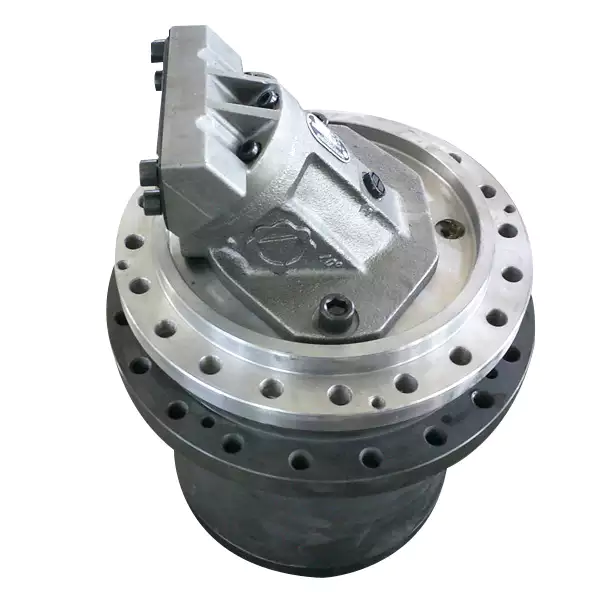
Concept of Coaxial and Parallel Shaft Arrangements in Planetary Gearboxes
Coaxial and parallel shaft arrangements refer to the orientation of the input and output shafts in a planetary gearbox:
- Coaxial Shaft Arrangement: In this arrangement, the input and output shafts are aligned along the same axis, with one shaft passing through the center of the other. This design results in a compact and space-efficient gearbox, making it suitable for applications with limited space. Coaxial planetary gearboxes are commonly used in scenarios where the gearbox needs to be integrated into a compact housing or enclosure.
- Parallel Shaft Arrangement: In a parallel shaft arrangement, the input and output shafts are positioned parallel to each other but not on the same axis. Instead, they are offset from each other. This configuration allows for greater flexibility in designing the layout of the gearbox and the surrounding machinery. Parallel shaft planetary gearboxes are often used in applications where the spatial arrangement requires the input and output shafts to be positioned in different locations.
The choice between a coaxial and parallel shaft arrangement depends on factors such as available space, mechanical requirements, and the desired layout of the overall system. Coaxial arrangements are advantageous when space is limited, while parallel arrangements offer more design flexibility for accommodating various spatial constraints.
Maintenance Practices to Extend the Lifespan of Planetary Gearboxes
Proper maintenance is essential for ensuring the longevity and optimal performance of planetary gearboxes. Here are specific maintenance practices that can help extend the lifespan of planetary gearboxes:
1. Regular Inspections: Implement a schedule for routine visual inspections of the gearbox. Look for signs of wear, damage, oil leaks, and any abnormal conditions. Early detection of issues can prevent more significant problems.
2. Lubrication: Adequate lubrication is crucial for reducing friction and wear between gearbox components. Follow the manufacturer's recommendations for lubricant type, viscosity, and change intervals. Ensure that the gearbox is properly lubricated to prevent premature wear.
3. Proper Installation: Ensure the gearbox is installed correctly, following the manufacturer's guidelines and specifications. Proper alignment, torque settings, and clearances are critical to prevent misalignment-related wear and other issues.
4. Load Monitoring: Avoid overloading the gearbox beyond its designed capacity. Excessive loads can accelerate wear and reduce the gearbox's lifespan. Regularly monitor the load conditions and ensure they are within the gearbox's rated capacity.
5. Temperature Control: Maintain the operating temperature within the recommended range. Excessive heat can lead to accelerated wear and lubricant breakdown. Adequate ventilation and cooling measures may be necessary in high-temperature environments.
6. Seal and Gasket Inspection: Regularly check seals and gaskets for signs of leakage. Damaged seals can lead to lubricant loss and contamination, which can cause premature wear and gear damage.
7. Vibration Analysis: Use vibration analysis techniques to detect early signs of misalignment, imbalance, or other mechanical issues. Monitoring vibration levels can help identify problems before they lead to serious damage.
8. Preventive Maintenance: Establish a preventive maintenance program based on the gearbox's operational conditions and usage. Perform scheduled maintenance tasks such as gear inspections, lubricant changes, and component replacements as needed.
9. Training and Documentation: Ensure that maintenance personnel are trained in proper gearbox maintenance procedures. Keep comprehensive records of maintenance activities, inspections, and repairs to track the gearbox's condition and history.
10. Consult Manufacturer Guidelines: Always refer to the manufacturer's maintenance and servicing guidelines specific to the gearbox model and application. Following these guidelines will help maintain warranty coverage and ensure best practices are followed.
By adhering to these maintenance practices, you can significantly extend the lifespan of your planetary gearbox, minimize downtime, and ensure reliable performance for your industrial machinery or application.
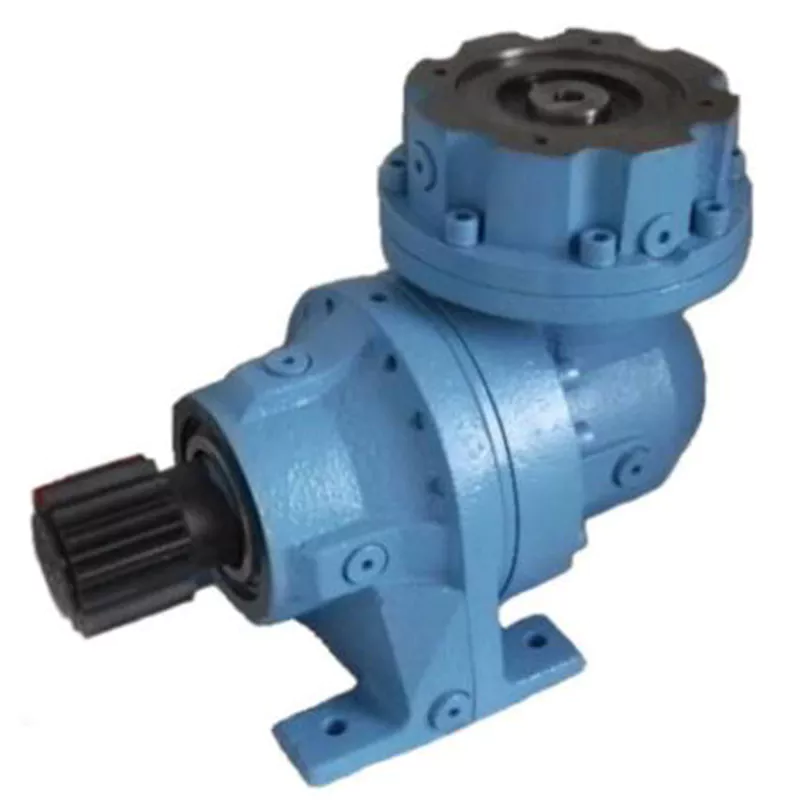
Examples of High Torque and Compact Design Applications for Planetary Gearboxes
Planetary gearboxes excel in applications where high torque output and a compact design are essential. Here are some scenarios where these characteristics are crucial:
- Automotive Transmissions: In modern vehicles, planetary gearboxes are used in automatic transmissions to efficiently transmit engine power to the wheels. The compact size of planetary gearboxes allows for integration within the limited space of a vehicle's transmission housing.
- Robotics: Planetary gearboxes are utilized in robotic arms and joints, where compactness is essential to maintain the robot's overall size while providing the necessary torque for precise and controlled movement.
- Conveyor Systems: Conveyor belts in industries like material handling and manufacturing often require high torque to move heavy loads. The compact design of planetary gearboxes allows them to be integrated into the conveyor system's framework.
- Wind Turbines: Wind turbine applications demand high torque to convert low wind speeds into sufficient rotational force for power generation. The compact design of planetary gearboxes helps optimize space within the turbine's nacelle.
- Construction Machinery: Heavy equipment used in construction, such as excavators and loaders, rely on planetary gearboxes to provide the necessary torque for digging and lifting operations without adding excessive weight to the machinery.
- Marine Propulsion: Planetary gearboxes play a crucial role in marine propulsion systems by efficiently transmitting high torque from the engine to the propeller shaft. The compact design is particularly important in the limited space of a ship's engine room.
These examples highlight the significance of planetary gearboxes in applications where both high torque output and a compact footprint are vital considerations. Their ability to deliver efficient torque conversion within a small space makes them well-suited for a wide range of industries and machinery.


editor by CX 2024-02-16