
Product Description
HangZhou xin Lai Fu Hydraulic Equipment company is a professional manufacturer and wholesale supplier which specialized in combine all hydraulic machinery aftermarket. We offer spare parts of piston pumps & motors, brand includes Komatsu, Hitachi, Caterpillar, Rexroth, Liebherr, Toshiba, Sauer, CZPT , Eaton, Yuken, Dakin, Oilgear, Denison,etc.
Our sales team and serive team are all experienced. Some of our technicist worked in Germany and Japan perviously. Therefore you will get fantastic comsumption experience with Xin Lai Fu Hydraulic.
Our products are selling well not only in China mainland also around the world due to excellent quality and effective aftersales services. We hope to be your long-term partner and achieve win-win
|
Rexroth |
A2F12/23/28/55/80/107/160/200/225/250/335/500 |
|
A2FO10/12/16/23/28/32/45/56/63/80/90/107/125/160/180/200/250/500 |
|
|
A7V28/55/80/107/160/225/250/355/500/1000 |
|
|
A6VM(A7VO)/12/28/55/80/107/160/200/250/355/500 |
|
|
A4VSO45/71/125/180/250/500/1000 |
|
|
A4V40/56/71 |
|
|
A4VG28/40/45/50/56/71/90/125/140/180/250 |
|
|
A4VTG71/90 |
|
|
A10VSO10/16/18/28/45/63/71/85/100/140 |
|
|
A10VG18/28/45/63 |
|
|
A11VO60/75/95/130/145/160/190/250/260 |
|
|
Kawasaki |
K3SP36C |
|
K3V63DT/112DT/140DT/180DT/280DT |
|
|
K3VL28/45/60/80/112/140/200 |
|
|
K3VG63/112/180/280 |
|
|
K7V63/100 |
|
|
K7VG180/265 |
|
|
K5V80/140/160/200 |
|
|
NV45/50/60/64/70/80/84/90/111/120/137/172/210/237/270 |
|
|
NX15 |
|
|
NVK45 |
|
|
KVC925/930/932 |
|
|
M2X55/63/96/120/128/146/150/170/210 |
|
|
M5X130/150/173/180/500 |
|
|
MX50/80/150/173/200/250/450/500/530/750 |
|
|
KAYABA |
MAG150/170 |
|
KYB87 |
|
|
MSG18P/27P/44P/50P |
|
|
MSF series |
|
|
|
|
|
Komatsu |
HPV 35/55/90/160 (PC60/120/200/220/300-3/5) PC400/PC650 |
|
Libherr |
LPVD 35/45/64/75/90/100/125/140/165/225/250 |
|
FMV075/100 |
|
|
LMF(V)45/64/75/90/100/125/140 |
|
|
Toshiba |
PVB80/92 |
|
PVC80/90 |
|
|
SG 015/02/571/04/08/12/15/17/20/25 |
|
|
Linde |
HPV55/75/105/135/165/210/280 |
|
HPR75/90/100/130/160 |
|
|
MPR28/45/63/71 |
|
|
HMR75/105/135/165 |
|
|
HMF28/35/50/ |
|
|
BPV35/50/70/100/200 |
|
|
B2PV35/50/75/105/140/186 |
|
|
BMF35/55/75/105/140/186/260 |
|
|
BMV35/55/75/105/135 |
|
|
BPR55/75/105/140/186/260 |
|
|
Sauer |
PV90R(L)(M)030/42/55/75/100/130/180/250 |
|
PV42-28/41/51 |
|
|
SPV15/18 |
|
|
KRR(LRR)571C/030D/038C/045D |
|
|
MR(MS)070/089/227/334 |
|
|
Eaton |
3321/3331 |
|
4621/4631 |
|
|
5421/5431 |
|
|
78461/78462 |
|
|
Vicker |
PVE12/21/45 |
|
TA19/MFE19 |
|
|
PVM 018/571/045/050/057/063/074/081/098/106/131/141 |
|
|
PVH 57/74/98/131/141 |
|
|
PVB 5/6/10/15/20/29/45/90 |
|
|
Yuken |
A10/16/22/37/40/45/56/70/90/100/125/145/220 |
|
A3H16/37/56/71/100/145/180 |
|
|
Parker |
PVP16/23/33/41/48/60/76/100/140 |
|
PV 016/571/571/571/032/040/046/063/080/092/140/180/270 |
|
|
P2/3-060/075/105/145 |
|
|
PAVC 33/38/65/100 |
|
|
Hitachi |
HPV050/102/105/118/135 |
|
HMGC16/32/48 |
|
|
HMGF35/36/38/57 |
|
|
Tokiwa |
MKV23/33 |
|
Uchida |
A10VD17/23/28/40/43/71 |
|
AP2D12/14/18/21/25/28/36/38/42 |
|
|
A8VO55/59/80/86/107/115/172 |
|
|
Nachi |
YC35-6 |
|
PVD-2B-32/34/36/38/40/42/45/50 |
|
|
PVD-3B-54/56/60/66 |
|
|
PZ-6B-180/220 |
|
|
PVK-2B-50/505 |
|
|
PZ-4B-100 |
|
|
PVD-00B-14/16P |
|
|
PVD-1B-23/28/32/34 |
|
|
Hawe |
V30D95/140/250 |
|
|
V60 |
|
|
|
|
Italy Sam |
HCV50/70/90/100/125 |
|
|
H1V55/75/108/160/226 |
|
|
H2V55/75/108/160/226 |
|
|
H1C55/75/108/160/226 |
Clients feedback
Products chart as follows:
| Warranty: | One Year |
|---|---|
| Material: | Cast Iron |
| Condition: | New |
| Temperature of Media: | Normal Temperature |
| Standard or Nonstandard: | Standard |
| in Stock: | Yes |
| Customization: |
Available
| Customized Request |
|---|
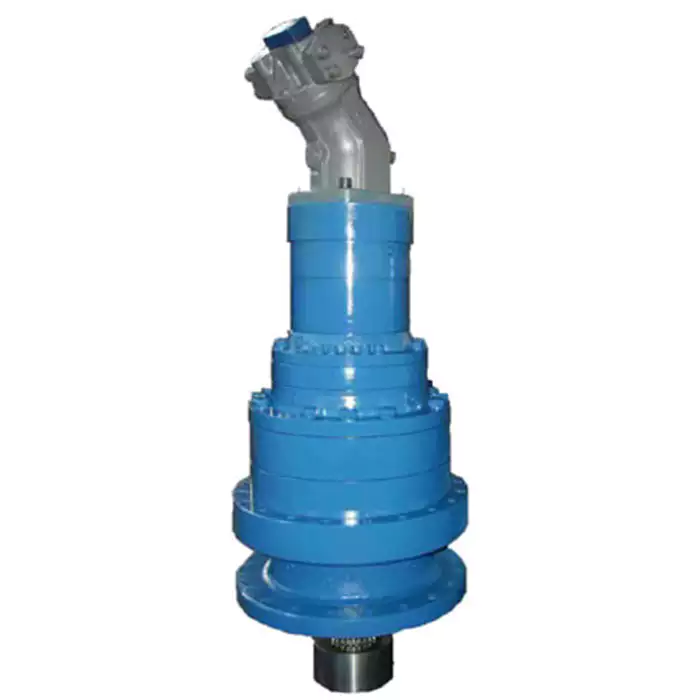
Challenges in Achieving High Gear Ratios with Compactness in Planetary Gearboxes
Designing planetary gearboxes with high gear ratios while maintaining a compact form factor poses several challenges due to the intricate arrangement of gears and the need to balance various factors:
Space Constraints: Increasing the gear ratio typically requires adding more planetary stages, resulting in additional gears and components. However, limited available space can make it challenging to fit these additional components without compromising the compactness of the gearbox.
Efficiency: As the number of planetary stages increases to achieve higher gear ratios, there can be a trade-off in terms of efficiency. Additional gear meshings and friction losses can lead to decreased overall efficiency, impacting the gearbox's performance.
Load Distribution: The distribution of loads across multiple stages becomes critical when designing high gear ratio planetary gearboxes. Proper load distribution ensures that each stage shares the load proportionally, preventing premature wear and ensuring reliable operation.
Bearing Arrangement: Accommodating multiple stages of planetary gears requires an effective bearing arrangement to support the rotating components. Improper bearing selection or arrangement can lead to increased friction, reduced efficiency, and potential failures.
Manufacturing Tolerances: Achieving high gear ratios demands tight manufacturing tolerances to ensure accurate gear tooth profiles and precise gear meshing. Any deviations can result in noise, vibration, and reduced performance.
Lubrication: Adequate lubrication becomes crucial in maintaining smooth operation and reducing friction as gear ratios increase. However, proper lubrication distribution across multiple stages can be challenging, impacting efficiency and longevity.
Noise and Vibration: The complexity of high gear ratio planetary gearboxes can lead to increased noise and vibration levels due to the higher number of gear meshing interactions. Managing noise and vibration becomes essential for ensuring acceptable performance and user comfort.
To address these challenges, engineers employ advanced design techniques, high-precision manufacturing processes, specialized materials, innovative bearing arrangements, and optimized lubrication strategies. Achieving the right balance between high gear ratios and compactness involves careful consideration of these factors to ensure the gearbox's reliability, efficiency, and performance.
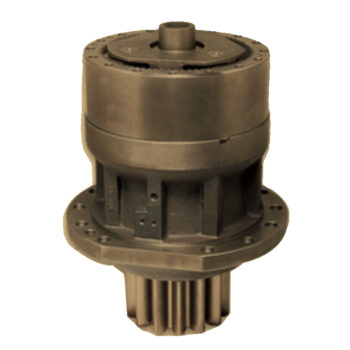
Advantages of Backlash Reduction Mechanisms in Planetary Gearboxes
Backlash reduction mechanisms in planetary gearboxes offer several advantages that contribute to improved performance and precision:
Improved Positioning Accuracy: Backlash, or the play between gear teeth, can lead to positioning errors in applications where precise movement is crucial. Reduction mechanisms help minimize or eliminate this play, resulting in more accurate positioning.
Better Reversal Characteristics: Backlash can cause a delay in reversing the direction of motion. With reduction mechanisms, the reversal is smoother and more immediate, making them suitable for applications requiring quick changes in direction.
Enhanced Efficiency: Backlash can lead to energy losses and reduced efficiency due to the impacts between gear teeth. Reduction mechanisms minimize these impacts, improving overall power transmission efficiency.
Reduced Noise and Vibration: Backlash can contribute to noise and vibration in gearboxes, affecting both the equipment and the surrounding environment. By reducing backlash, the noise and vibration levels are significantly decreased.
Better Wear Protection: Backlash can accelerate wear on gear teeth, leading to premature gearbox failure. Reduction mechanisms help distribute the load more evenly across the teeth, extending the lifespan of the gearbox.
Enhanced System Stability: In applications where stability is crucial, such as robotics and automation, backlash reduction mechanisms contribute to smoother operation and reduced oscillations.
Compatibility with Precision Applications: Industries such as aerospace, medical equipment, and optics require high precision. Backlash reduction mechanisms make planetary gearboxes suitable for these applications by ensuring accurate and reliable motion.
Increased Control and Performance: In applications where control is critical, such as CNC machines and robotics, reduction mechanisms provide better control over the motion and enable finer adjustments.
Minimized Error Accumulation: In systems with multiple gear stages, backlash can accumulate, leading to larger positioning errors. Reduction mechanisms help minimize this error accumulation, maintaining accuracy throughout the system.
Overall, incorporating backlash reduction mechanisms in planetary gearboxes leads to improved accuracy, efficiency, reliability, and performance, making them essential components in precision-driven industries.
Contribution of Planetary Gearboxes to Efficient Industrial Automation and Robotics
Planetary gearboxes play a crucial role in enhancing the efficiency of industrial automation and robotics systems by offering several advantages:
1. Compact Design: Planetary gearboxes provide high power density and a compact form factor. This is essential in robotics and automation where space is limited and components need to be tightly integrated.
2. High Torque Density: Planetary gearboxes can achieve high torque output in a compact size, allowing robots and automated systems to handle heavy loads and perform demanding tasks efficiently.
3. Precision and Accuracy: The design of planetary gear systems ensures accurate and precise motion control. This is vital in robotics applications where precise positioning and smooth movement are required for tasks such as pick-and-place operations and assembly.
4. Redundancy: Some planetary gearboxes feature multiple stages and redundant configurations. This provides a level of built-in redundancy, enhancing the reliability of automation systems by allowing continued operation even if one stage fails.
5. Efficiency: Planetary gearboxes are designed for high efficiency, minimizing energy losses and ensuring that the power delivered to the output stage is effectively utilized. This efficiency is crucial for reducing energy consumption and optimizing battery life in robotic applications.
6. Speed Control: Planetary gearboxes allow for precise speed control, enabling robots to perform tasks at varying speeds as needed. This flexibility is essential for tasks that require different motion dynamics or speed profiles.
7. Reduction of Motor Loads: Planetary gearboxes can reduce the load on the motor by providing mechanical advantage through gear reduction. This allows smaller, more efficient motors to be used without sacrificing performance.
8. Shock Absorption: The inherent elasticity of gear teeth in planetary gearboxes can help absorb shocks and impacts, protecting the system components and ensuring smooth operation in dynamic environments.
9. Customization: Planetary gearboxes can be tailored to specific application requirements, including gear ratios, output configurations, and mounting options. This adaptability allows for optimal integration into various automation and robotics setups.
10. Maintenance and Durability: High-quality planetary gearboxes are designed for durability and low maintenance. This is especially important in industrial automation and robotics, where continuous operation and minimal downtime are essential.
Overall, planetary gearboxes contribute significantly to the efficient operation of industrial automation and robotics systems by providing the necessary torque, precision, compactness, and reliability required for these dynamic and demanding applications.


editor by CX 2023-09-26