
Product Description
PLDR/PLDR+60 Level 1
| STAGE Level | Level 1 | |||||||||
| Reduction ratio | i | 3 | 4 | 5 | 6 | 7 | 8 | 10 | ||
| Rated output torque | T2N | Nm | 38 | 46 | 55 | 52 | 50 | 46 | 42 | |
| in.lb | 336 | 407 | 487 | 460 | 443 | 407 | 372 | |||
| Emergency braking torque Allow 1000 times in the working life of the gearbox |
T2NOt | Nm | 3 x NOM.Output | |||||||
| in.lb | ||||||||||
| Rated input speed (T2N, 20°C ambient temperature) |
N 1n | rpm | 3000 | 3000 | 3000 | 3000 | 3000 | 3000 | 3000 | |
| Maximum input speed | n 1max | rpm | 6000 | 6000 | 6000 | 6000 | 6000 | 6000 | 6000 | |
| Maximum return clearance | jt | arcmin | PLDR60≤8ARCMIN PLDR+60≤5ARCMIN Custom made≤3ARCMIN | |||||||
| No-load torque (nt=3000rmp, gearbox 20°C) |
T 012 | Nm | 0.65 | 0.62 | 0.6 | 0.5 | 0.45 | 0.45 | 0.45 | |
| in.lb | 5.8 | 5.5 | 5.3 | 4.4 | 4.0 | 4.0 | 4.0 | |||
| Torsional rigidity | C t21 | Nm/ arcmin | 3 | |||||||
| in.lb / arcmin | 22 | |||||||||
| Maximum radial force | F 2AMAX | N | 1600 | |||||||
| lbf | 360 | |||||||||
| Maximum axial force | F 3RMAX | N | 400 | |||||||
| lbf | 90 | |||||||||
| Maximum roll torque | M 2KMax | Nm | 700 | |||||||
| in.lb | 6195 | |||||||||
| Working life | Lh | hr | ≥20000 | |||||||
| Efficiency at full load | η | % | 95 | |||||||
| Ambient temperature | ºC | -15~40 | ||||||||
| F | 5~104 | |||||||||
| The maximum allowable temperature of the shell | ºC | +90 | ||||||||
| F | 194 | |||||||||
| Lubricating | Life Lubrication | |||||||||
| The direction of rotation | Input and output in the same direction | |||||||||
| Protection level | IP65 | |||||||||
| Installation direction | Any | |||||||||
| Working noise (i=10 and n1=3000rpm no load) | LPA dB(A) | ≤58 | ||||||||
| Rotary inertia | J1 | Kg.cm2 | 0.8 | 0.8 | 0.8 | 0.8 | 0.8 | 0.8 | 0.8 | |
| 10-3in.lb.s2 | 0.69 | 0.69 | 0.69 | 0.69 | 0.69 | 0.69 | 0.69 | |||
Quick selection of size
PLDR(figure: i=4) PLDR/PLDR+ HIGH PRECISION(figure: i=4)
Applicable to periodic working days (ED≤60%) Applicable to periodic working days (ED≤60%)
Design & technology
Technical services:
- According to the relevant parameters provided by the customer, the CZPT engineering software is used to create the motion load curve diagram of the mechanism equipment to obtain the corresponding parameters and derive the motion load curve. Intuitively display important parameters and load indexes in the transmission system to help customers carry out reasonable structural design.
- SIGRINER provides a motor database from 500 servo motor manufacturers worldwide
Customer training:
We are honored to provide you with our applied computing and transmission design expertise. We can provide relevant training according to your needs.
Technical testing center
Industry application
- We provide fast supply and strong support all over the world through a complete sales and service network
- With years of rich experience, our authoritative experts provide market-leading consulting services for various industrial sectors
- Robotics, automation and manipulator technology
A variety of servo gearboxes and mechanical transmission systems, from economical to high-end models; can be applied to various robots and their auxiliary axes, such as transmission shafts and station control devices
- Printing machine
Innovative gearbox ensures stability, synchronization accuracy and long-term accuracy even at high speeds
The perfect solution for high-quality printing processes and other continuous duty applications
Option: integrated sensor for monitoring paper tension and similar parameters
- Machine tools and manufacturing systems
High precision, stable operation and high efficiency are all derived from stable, zero backlash and high rigidity mechanical system solutions, such as the application of products on feed, rotation and auxiliary axes
- Food and packaging machinery
A series of gearboxes specially designed for various shafts used in the field of packaging technology (including gearboxes with anti-corrosion design)-can maximize work efficiency, mechanical flexibility and cycle speed
- Textile machine
Features of CZPT Precision planetary gearbox
- Very high power density, torque increased by 40%
- Easy motor installation, optional installation with length compensation
- Flexible installation, the gearbox can be installed vertically, horizontally, and up or down together with the driven shaft
- Very high positioning accuracy, return clearance is less than arc minutes
- Through helical gear meshing, the operation is stable, and the running noise is less than 50dB-A
- The world's leading life expectancy, and the raw materials and mechanism of the seal ring have been optimized
| Application: | Motor, Machinery |
|---|---|
| Hardness: | Hardened Tooth Surface |
| Installation: | 90 Degree |
| Layout: | Coaxial |
| Gear Shape: | Conical - Cylindrical Gear |
| Type: | Planetary Gear Reducer |
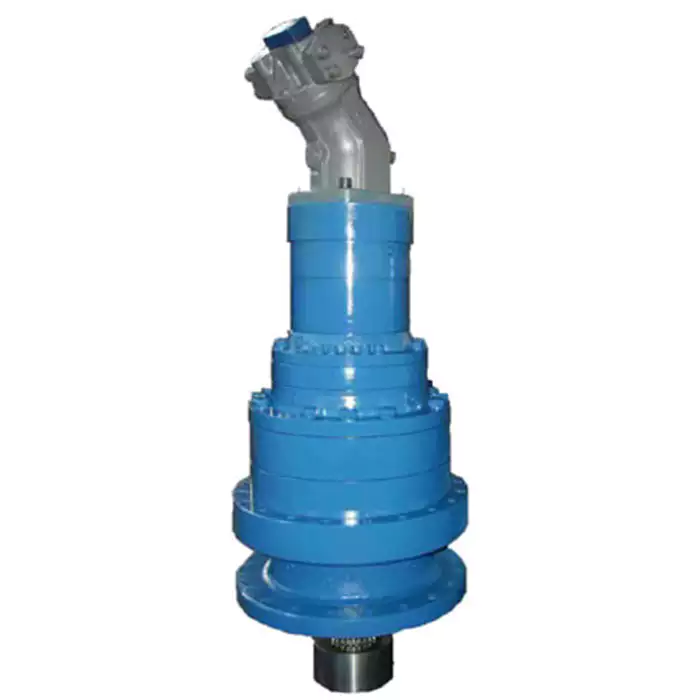
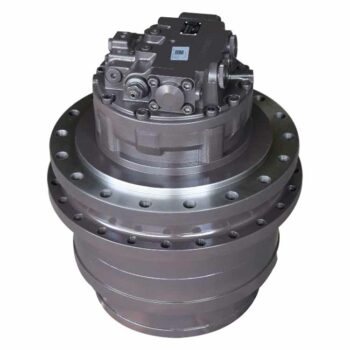
Energy Efficiency of a Worm Gearbox: What to Expect
The energy efficiency of a worm gearbox is an important factor to consider when evaluating its performance. Here's what you can expect in terms of energy efficiency:
- Typical Efficiency Range: Worm gearboxes are known for their compact size and high gear reduction capabilities, but they can exhibit lower energy efficiency compared to other types of gearboxes. The efficiency of a worm gearbox typically falls in the range of 50% to 90%, depending on various factors such as design, manufacturing quality, lubrication, and load conditions.
- Inherent Losses: Worm gearboxes inherently involve sliding contact between the worm and worm wheel. This sliding contact generates friction, leading to energy losses in the form of heat. The sliding action also contributes to lower efficiency when compared to gearboxes with rolling contact.
- Helical-Worm Design: Some manufacturers offer helical-worm gearbox designs that combine elements of helical and worm gearing. These designs aim to improve efficiency by incorporating helical gears in the reduction stage, which can lead to higher efficiency compared to traditional worm gearboxes.
- Lubrication: Proper lubrication plays a significant role in minimizing friction and improving energy efficiency. Using high-quality lubricants and ensuring the gearbox is adequately lubricated can help reduce losses due to friction.
- Application Considerations: While worm gearboxes might have lower energy efficiency compared to other types of gearbo

The Role of Lubrication and Cooling in Maintaining Planetary Gearbox Performance
Lubrication and cooling are essential factors in ensuring the optimal performance and longevity of planetary gearboxes. Here's how they play a crucial role:
Lubrication: Proper lubrication is vital for reducing friction and wear between gear teeth and other moving components within the gearbox. It forms a protective layer that prevents metal-to-metal contact and minimizes heat generation. The lubricant also helps dissipate heat and contaminants, ensuring a smoother and quieter operation.
Using the right type of lubricant and maintaining the proper lubrication level are essential. Over time, lubricants may degrade due to factors like temperature, load, and operating conditions. Regular lubricant analysis and replacement help maintain optimal gearbox performance.
Cooling: Planetary gearboxes can generate significant heat during operation due to friction and power transmission. Excessive heat can lead to lubricant breakdown, reduced efficiency, and premature wear. Cooling mechanisms, such as cooling fans, fins, or external cooling systems, help dissipate heat and maintain a stable operating temperature.
Efficient cooling prevents overheating and ensures consistent lubricant properties, extending the life of the gearbox components. It's particularly important in applications with high-speed or high-torque requirements.
Overall, proper lubrication and cooling practices are essential to prevent excessive wear, maintain efficient power transmission, and prolong the service life of planetary gearboxes. Regular maintenance and monitoring of lubrication quality and cooling effectiveness are key to ensuring the continued performance of these gearboxes.
xes, they still offer advantages in terms of compactness, high torque transmission, and simplicity. Therefore, the decision to use a worm gearbox should consider the specific requirements of the application, including the trade-off between energy efficiency and other performance factors.
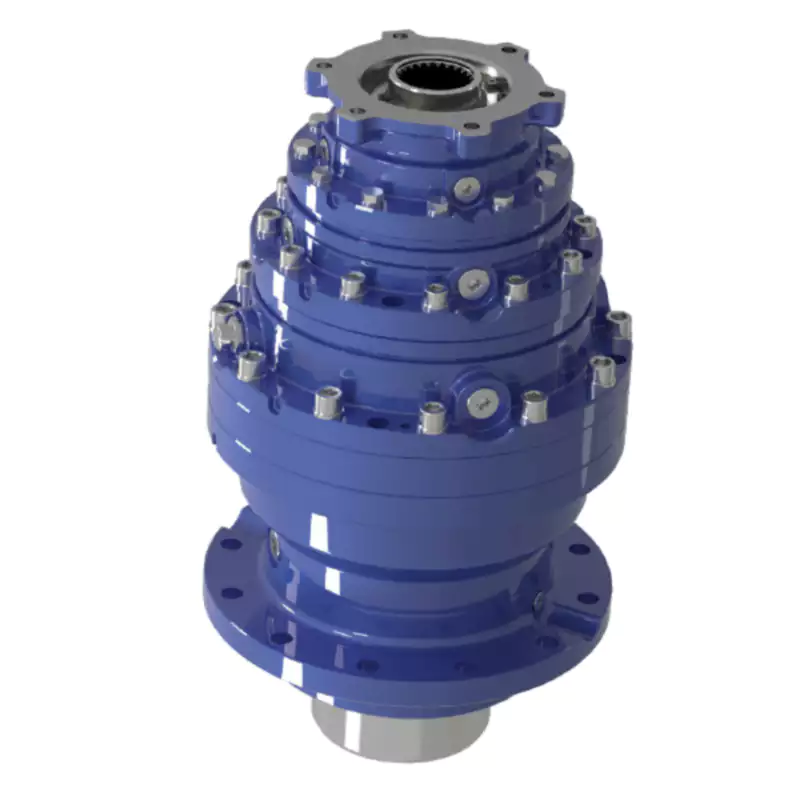
When selecting a worm gearbox, it's essential to consider the trade-offs between energy efficiency, torque transmission, gearbox size, and the specific needs of the application. Regular maintenance, proper lubrication, and selecting a well-designed gearbox can contribute to achieving the best possible energy efficiency within the limitations of worm gearbox technology.


editor by CX 2023-08-23